
Ancient Chinese Female Hairstyles
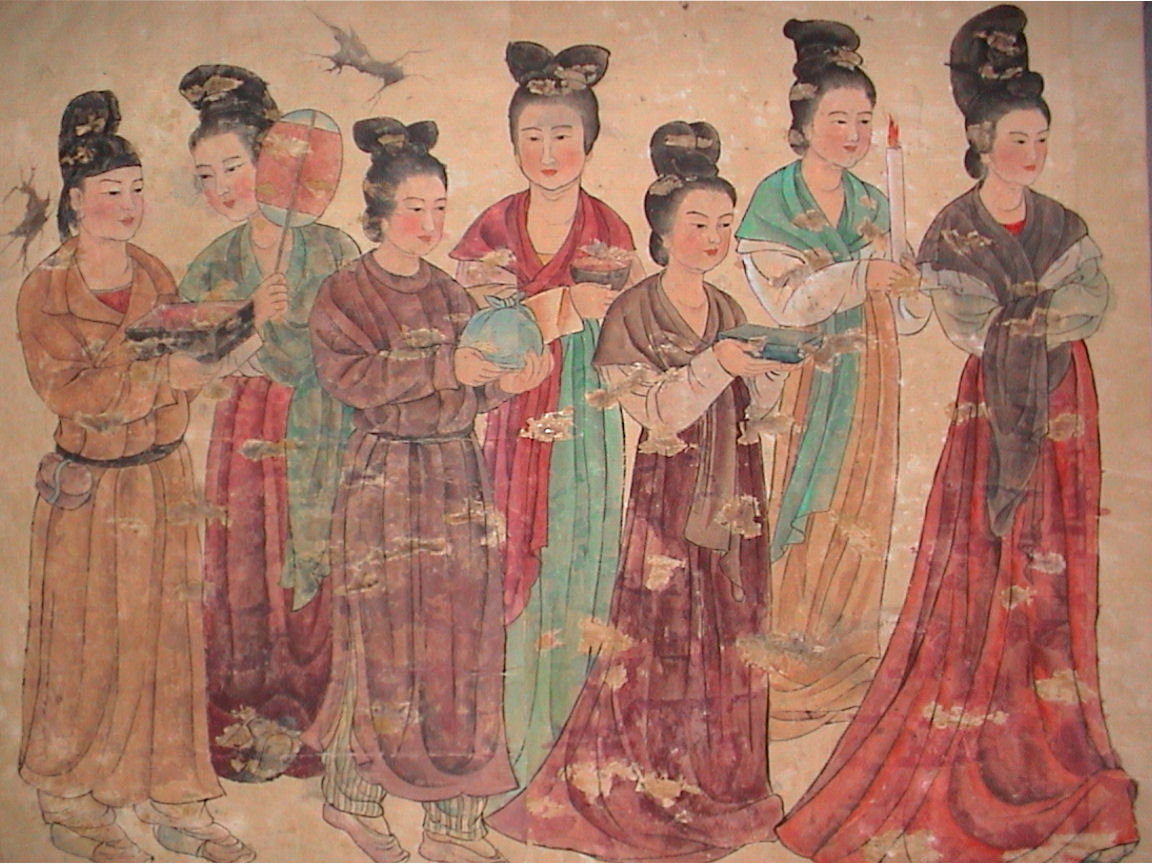
Ancient Chinese Female Hairstyles - They also wore shubi in their hair and sometimes wore the honggaitou on their weddings. During the prosperous tang era, the styling of women’s hair buns became increasingly elaborate and towering. The tang dynasty lasted from 618 to 907 a.d. chinese hairstyles through the dynasties. world history encyclopedia. Web the ancient chinese women's hairstyle is commonly known as ji huan (髻鬟, jì huán), and according to the method of combing, there are two types of ji (髻, jì) and huan (鬟, huán). Web for practical reasons, people in ancient china started tying their hair in various manners.
Web generally, your hairstyle depended on a few factors, including your position in society. They also wore shubi in their hair and sometimes wore the honggaitou on their weddings. This video describes the various. Having had the freedom to develop different styles, the way that chinese women wore their hair in ancient china became a way for them to symbolise their class status in society and their role in the. Draped hair, chui ji (椎髻, one of the oldest buns in china), and braided hair.

Chinese hair style through centuries Kaleidoscope effect
During the prosperous tang era, the styling of women’s hair buns became increasingly elaborate and towering. Let’s dive in on how ancient chinese hairstyles have evolved throughout china’s history: Follow mike and dan on instagram:. Web for practical reasons, people in ancient china started tying their hair in various manners. Previously, in certain chinese ceremonies, they also marked the coming.
Chinese Hairstyles Through the Ages From Classical to Exquisite
I stopped wearing hair elastics for a year.and im never going back. You will find women rocking the hanfu traditional hairstyle to date. The red of the huadian between her eyebrows and the white of the snow complemented each other, making her as beautiful as a painting. Web in ancient china, young women wore their hair down or in simple.

️Ancient Chinese Female Hairstyles Free Download Goodimg.co
Web women of ancient china all kept long hair, which was usually arranged into beautiful yet complicated styles, often with wig chignons as the basis. Ji, solid hair bun, suitable for ordinary women; Women wear this style when there are special conventional festive functions. You will find women rocking the hanfu traditional hairstyle to date. In the zhou dynasty ,.

hanfu gallery Chinese hairstyle, Traditional hairstyle, Chinese makeup
The intricate hairstyles worn by women and men conveyed meaning about their social status, virtues, and life stage. Let’s dive in on how ancient chinese hairstyles have evolved throughout china’s history: Jing hu ji was still very popular among women in the tang dynasty. Traditional chinese hairstyles evolved over centuries, shaped by dynastic changes, cultural influences, and aesthetic trends. The.

Top 156+ traditional chinese women's hairstyles latest POPPY
Web ancient chinese hairstyles have a rich history that dates back thousands of years. This time period was the epitome of chinese art and culture. Web for practical reasons, people in ancient china started tying their hair in various manners. Women in the tang dynasty's royal palace were known to have very big and elaborate hairstyles. Such openwork hairpins came.
Ancient Chinese Female Hairstyles - Web as the chosen one of ancient times, liu shi shi made a graceful appearance with a transcendent snow dance, dressed in a flowing red gown, with a graceful figure. Web in ancient china, hair held special cultural and symbolic significance. The tang dynasty lasted from 618 to 907 a.d. They also wore shubi in their hair and sometimes wore the honggaitou on their weddings. Web in ancient china, young women wore their hair down or in simple styles to show they were unmarried. During the prosperous tang era, the styling of women’s hair buns became increasingly elaborate and towering.
This time period was the epitome of chinese art and culture. Is anyone else amazed by how ancient chinese ladies did these styles everyday?? Traditional chinese hairstyles evolved over centuries, shaped by dynastic changes, cultural influences, and aesthetic trends. This video describes the various. The use of adornments like hairpins and flowers.
Follow Mike And Dan On Instagram:.
This video describes the various. Web as the chosen one of ancient times, liu shi shi made a graceful appearance with a transcendent snow dance, dressed in a flowing red gown, with a graceful figure. The tang dynasty was one of the glorious periods in chinese history, and women’s hairstyles became the pinnacle of ancient chinese beauty and fashion. It was won by the subjects of this dynasty to symbolize their status and unity.
In The Zhou Dynasty , Most Women Grew Their Hair And Wore It In A Bun And Fixed It With Ji (筓), And It Was Also Customary To Wear A High Bun, And Women In The Imperial Court.
Having had the freedom to develop different styles, the way that chinese women wore their hair in ancient china became a way for them to symbolise their class status in society and their role in the. This article analyzes the political and cultural connotations of women’s headdress throughout the social hierarchy of the ming dynasty. World history encyclopedia, 21 aug 2017. Draped hair, chui ji (椎髻, one of the oldest buns in china), and braided hair.
This Time Period Was The Epitome Of Chinese Art And Culture.
The red of the huadian between her eyebrows and the white of the snow complemented each other, making her as beautiful as a painting. Web generally, your hairstyle depended on a few factors, including your position in society. For chinese women performers, their hairstyles must also. Throughout ancient china, hairstyles depicted a person’s social status and health.
Web In The Primitive Society, There Were Three Main Ancient Chinese Hairstyles For Women:
Such openwork hairpins came into being. Web the tang dynasty. Here's are the different hairstyles chinese people had throughout history. Wearing hair ornaments as a fashion statement has been an important lasting tradition in chinese costume history.